Roofing basics
How Long Does a Roof Last in Arkansas? Lifespan by Material
Typical lifespans for asphalt shingle, metal, tile, slate and commercial flat roofs in Central Arkansas — and the factors that shorten or extend them.
By Cougill RoofingPublished 2 min read
How long your roof lasts depends mostly on three things: the material, the quality of the installation, and how well the roof is maintained. Climate matters too. Central Arkansas sees hot, humid summers, heavy spring storms and occasional hail, all of which test a roof.
Roof lifespan by material
The ranges below are typical for a properly installed, reasonably maintained roof. Individual roofs can fall outside them in either direction.
| Roofing material | Typical lifespan | Notes |
|---|---|---|
| Asphalt shingle | 25–30 years | The most common residential roof. Architectural shingles generally outlast older 3-tab shingles. |
| Wood shake | Varies widely | Strongly dependent on maintenance, shade and moisture. |
| Standing-seam metal | Several decades | Fasteners, sealants and flashings need periodic attention. |
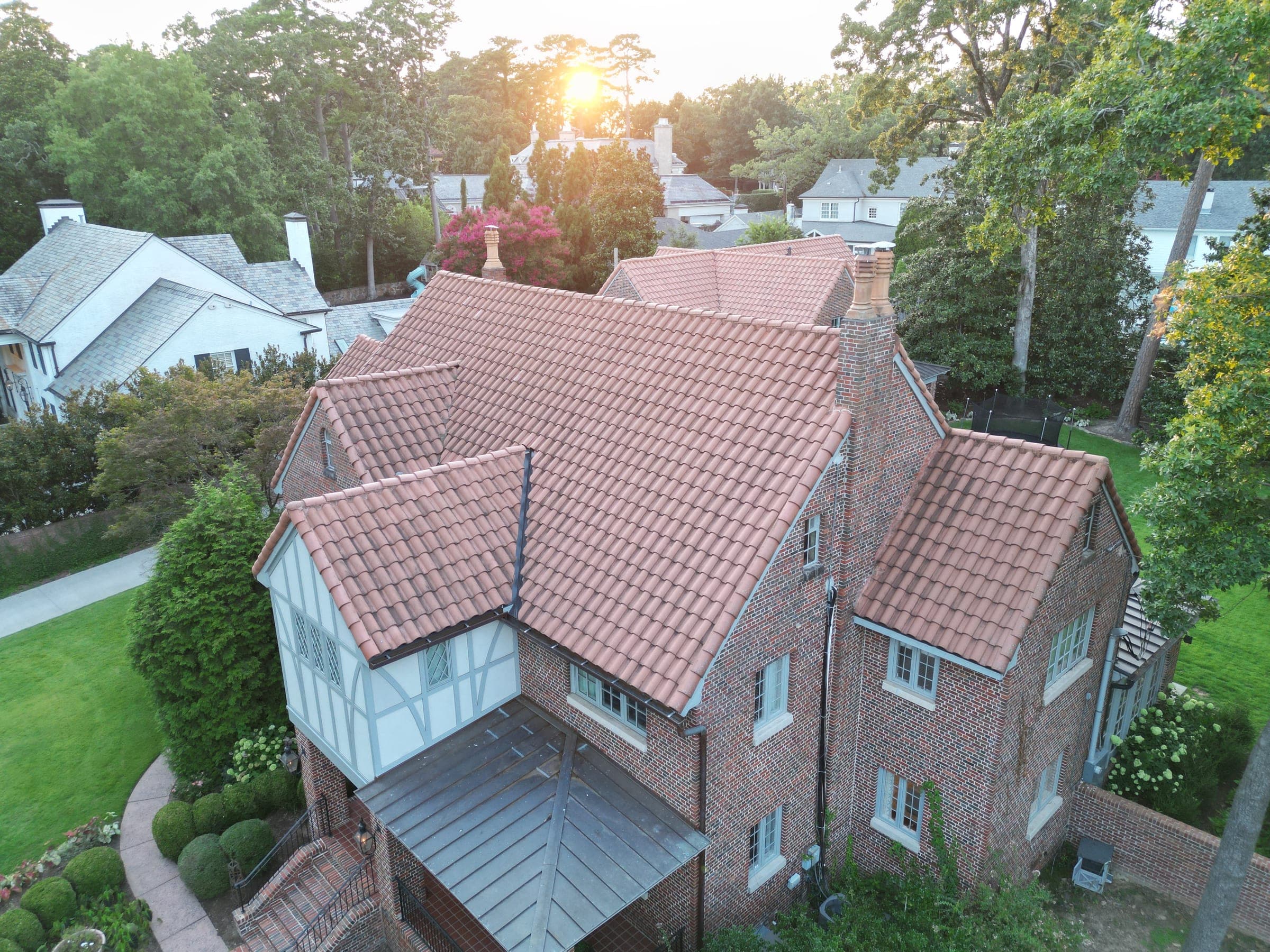
| Clay or concrete tile | 50+ years is common | The underlayment beneath the tile usually wears out before the tile. |
| Natural slate | 100+ years | Flashings and fasteners often need renewal long before the slate does. |
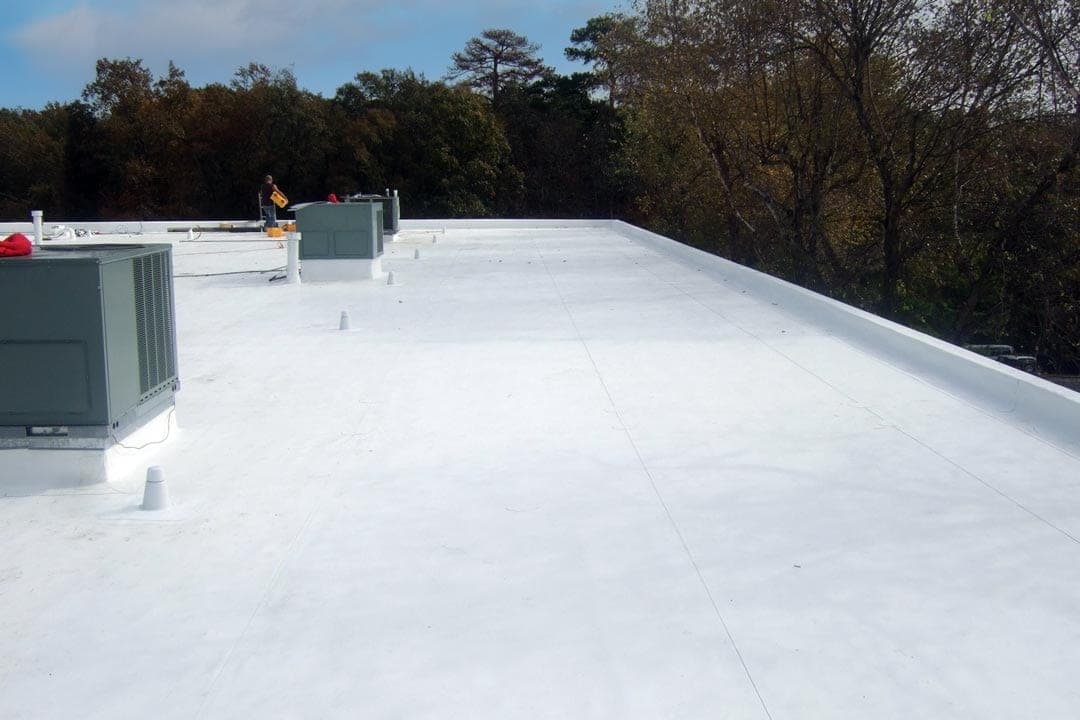
| Commercial flat / low-slope | 15–45 years | Depends on the system (PVC, modified bitumen, built-up, single-ply) and on maintenance. |
What shortens a roof’s life?
- Poor ventilation. Heat and moisture trapped in the attic age shingles and decking from below.
- Installation shortcuts. Missing starter strips, improper nailing and reused flashing are common causes of early failure.
- Ponding water on flat roofs, which breaks down membranes and finds every weak seam.
- Deferred maintenance. Small flashing or sealant failures become leaks, and leaks become rot.
- Severe weather. Hail and high winds can cause damage that is not visible from the ground.
What extends it?
- Periodic inspections, and an inspection after any major storm.
- Keeping gutters, valleys and drains clear.
- Repairing flashing and damaged materials promptly instead of waiting for a leak.
- For commercial buildings, inspections at least twice a year, plus after severe weather or rooftop equipment work.
Signs your roof is near the end of its life
- Curled, cracked or missing shingles
- Water stains on ceilings or walls
- Algae or moss growth
- Damaged flashing around chimneys and vents
- Higher energy bills without a change in usage
If you are seeing these signs, an inspection will tell you whether a targeted repair can buy years of service or whether replacement is the better investment.
The bottom line
A roof’s age alone doesn’t decide whether it needs replacing. A 20-year-old shingle roof that has been well maintained may have years left, while a 10-year-old roof with installation problems may not. The only reliable answer comes from a close inspection by someone who knows what to look for. Request a free consultation and we’ll tell you honestly where your roof stands.